Transform Your Space: Organic Interior Design Tips
Creating a harmonious living environment is more than just a trend; it’s a lifestyle choice that can significantly enhance your well-being. Organic interior design focuses on using natural materials, sustainable practices, and a connection to nature to create spaces that are not only beautiful but also promote health and tranquility. In this post, we will explore practical tips to transform your space into an organic haven.
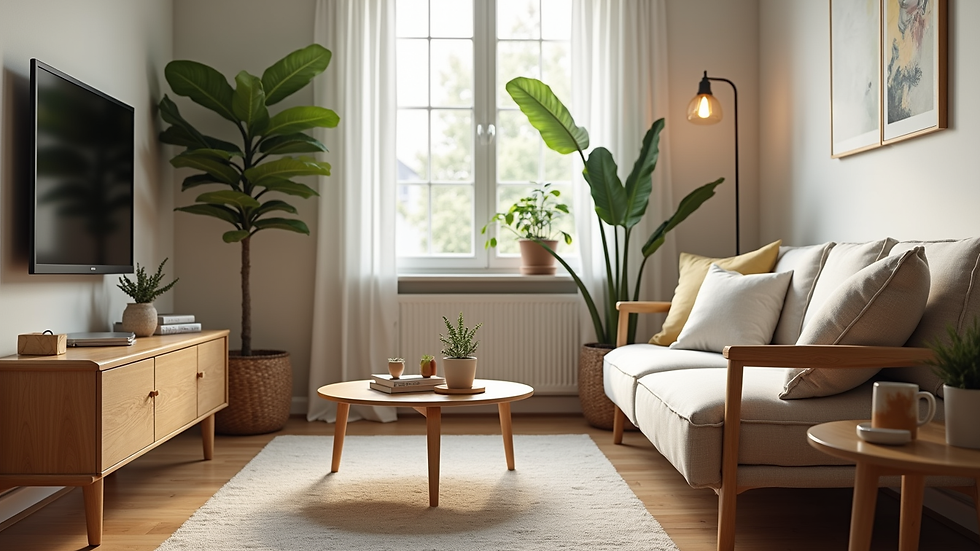
Understanding Organic Interior Design
Organic interior design emphasizes the use of natural materials and a connection to the environment. This approach is rooted in the belief that our surroundings can influence our mood and well-being. By incorporating elements that reflect nature, you can create a space that feels calming and rejuvenating.
Key Principles of Organic Design
Natural Materials: Use materials like wood, stone, and organic fabrics. These materials not only look good but also contribute to a healthier indoor environment.
Sustainable Practices: Opt for furniture and decor that are sustainably sourced or made from recycled materials. This reduces your carbon footprint and supports eco-friendly practices.
Biophilic Design: Integrate elements that connect you to nature, such as plants, natural light, and water features. This can enhance your mood and promote relaxation.
Minimalism: Embrace a minimalist approach by decluttering your space. This not only makes your home look more organized but also creates a sense of calm.
Choosing Natural Materials
When selecting materials for your home, prioritize those that are sustainable and non-toxic. Here are some options to consider:
Wood
Wood is a versatile material that adds warmth and texture to any space. Look for reclaimed wood or sustainably sourced options. Consider using it for:
Furniture: Tables, chairs, and shelving made from solid wood can serve as focal points in your home.
Flooring: Hardwood floors provide a timeless look and can be refinished to maintain their beauty over time.
Stone
Incorporating stone elements can bring a sense of grounding to your space. Options include:
Countertops: Natural stone countertops, such as granite or marble, are durable and add elegance to kitchens and bathrooms.
Accent Walls: A stone accent wall can create a stunning visual impact while connecting your interior to the outdoors.
Organic Fabrics
Choose textiles made from natural fibers like cotton, linen, or wool. These materials are breathable and often more comfortable than synthetic alternatives. Consider:
Cushions and Throws: Use organic cotton or wool for soft furnishings to enhance comfort.
Curtains: Light, airy curtains made from natural fabrics can help filter sunlight while maintaining privacy.
Incorporating Plants
Plants are a vital component of organic interior design. They not only purify the air but also add life and color to your space. Here are some tips for incorporating plants:
Selecting the Right Plants
Choose plants that thrive indoors and suit your lifestyle. Some popular options include:
Snake Plant: Known for its air-purifying qualities, it requires minimal care.
Pothos: A hardy vine that can grow in various lighting conditions.
Peace Lily: Beautiful and effective at removing toxins from the air.
Creating a Green Space
Designate areas in your home for plants. Consider:
Window Sills: Perfect for small pots that can soak up sunlight.
Shelves: Use hanging planters or decorative pots to create visual interest.
Corners: Larger plants can fill empty spaces and create a focal point.
Embracing Natural Light
Natural light is essential in organic interior design. It not only enhances the aesthetic of your space but also improves your mood. Here are ways to maximize natural light:
Window Treatments
Opt for light, sheer curtains that allow sunlight to filter through while providing privacy. Consider:
Roller Shades: Easy to operate and can be adjusted to control light levels.
Linen Curtains: Offer a soft, natural look while letting in light.
Reflective Surfaces
Incorporate mirrors and light-colored surfaces to reflect light throughout your space. This can make smaller rooms feel larger and brighter.
Creating a Calming Color Palette
The colors you choose for your space can significantly impact your mood. Organic interior design often favors soft, earthy tones. Consider:
Earthy Hues
Colors inspired by nature, such as greens, browns, and soft blues, can create a calming atmosphere. Use these colors for:
Walls: Soft green or beige can create a serene backdrop.
Accents: Incorporate these hues through cushions, rugs, or artwork.
Accent Colors
Add pops of color through accessories. Consider using:
Natural Dyes: Fabrics dyed with natural pigments can add unique touches.
Artwork: Choose pieces that reflect nature or organic shapes.
Sustainable Furniture Choices
When selecting furniture, look for pieces that are both functional and sustainable. Here are some tips:
Upcycled Furniture
Consider furniture made from upcycled materials. This not only reduces waste but can also add character to your home. Look for:
Vintage Finds: Thrift stores and flea markets often have unique pieces that can be restored.
DIY Projects: If you’re handy, consider refurbishing old furniture to give it new life.
Modular Furniture
Opt for modular furniture that can adapt to your needs. This is especially useful in smaller spaces. Examples include:
Sofa Beds: Perfect for accommodating guests without taking up extra space.
Expandable Tables: Great for dining areas that need to accommodate varying numbers of guests.
Personalizing Your Space
Your home should reflect your personality and style. Here are ways to personalize your organic interior design:
Artwork and Decor
Select artwork and decor that resonate with you. Consider:
Local Artists: Supporting local talent can add a unique touch to your home.
Nature-Inspired Pieces: Look for decor that features natural elements or landscapes.
Sentimental Items
Incorporate items that hold personal significance. This could include:
Family Heirlooms: Displaying cherished items can create a sense of history and warmth.
Travel Souvenirs: Items collected from travels can spark memories and conversations.
Maintaining Your Organic Space
Once you’ve created your organic interior, it’s essential to maintain it. Here are some tips:
Regular Cleaning
Use natural cleaning products to keep your space fresh without introducing harmful chemicals. Consider:
Vinegar and Baking Soda: Effective for cleaning various surfaces.
Essential Oils: Can be added for a pleasant scent.
Seasonal Updates
Refresh your space with seasonal decor changes. This could include:
Switching Out Textiles: Change cushions and throws to reflect the season.
Rotating Plants: Introduce new plants or seasonal flowers for variety.
Conclusion
Transforming your space with organic interior design principles can lead to a healthier, more harmonious living environment. By focusing on natural materials, incorporating plants, and personalizing your decor, you can create a sanctuary that reflects your values and enhances your well-being. Start small, and gradually incorporate these tips into your home to enjoy the benefits of organic design. Embrace the beauty of nature and let it inspire your living space.


Comments